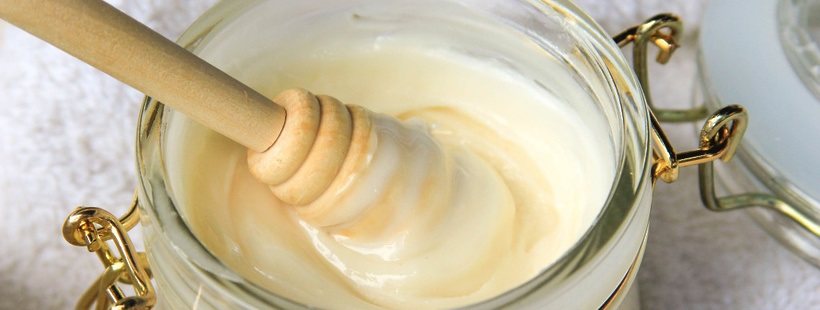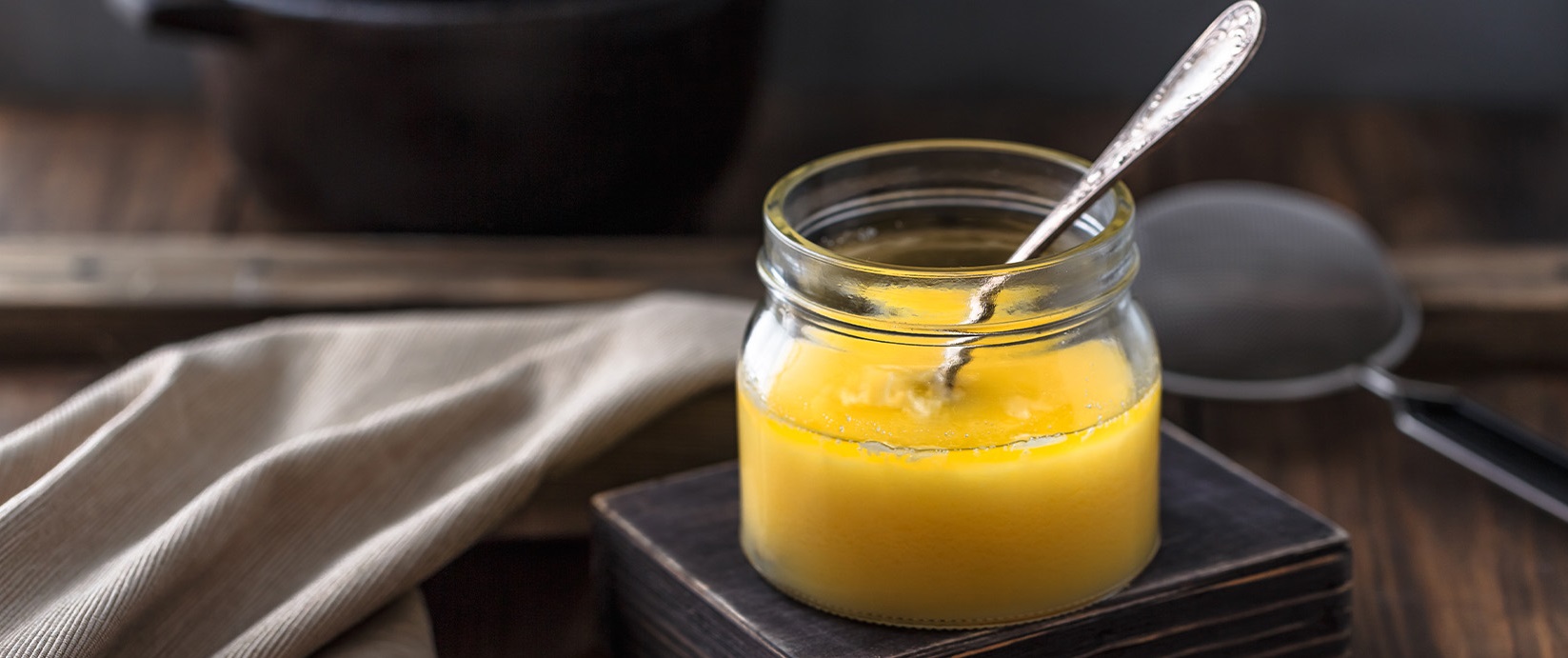
Ghee, also known as clarified butter, has been produced for centuries in Europe, South Asia, and the Middle East. It is valued for its long shelf life, high smoke point, pure flavor, and stability during cooking.
Traditional ghee production relies on slowly heating butter in open vessels, while industrial production follows a more controlled, predictable process based on the principles of fat separation, moisture evaporation, and protein coagulation.
This article explains the basics of ghee production and how to simplify and standardize the process using modern melting and cooking kettles
What is ghee?
Ghee is produced by separating pure milk fat from the water and nonfat components of butter.
Butter contains approximately:
- 80–82% milk fat;
- 16–18% water;
- 1–2% milk solids (proteins, lactose).
During heating, water evaporates from the butter, and milk proteins either float to the surface or settle. Once the moisture has been removed, the solids are separated and proteins have coagulated, what remains is pure clarified fat, with very low water activity and excellent thermal stability.
Ghee production process
1. Melting and phase separation
In the first stage, the butter melts. As the temperature increases, the structure softens and collapses.
At approximately 40–50°C, water droplets begin to separate from the fat phase.
2. Water evaporation
Almost all free water must be removed from the ghee.
This occurs at temperatures of 100°C and above. Evaporation continues until the moisture content reaches approximately 0.1–0.2%, ensuring a long shelf life.
3. Protein coagulation and darkening
Milk proteins coagulate and separate from the fat. If the temperature is raised too quickly, these proteins can burn, giving the ghee an undesirable burnt flavor and a darker color.
4. Clarification
After heating, three distinct layers form:
- A foam of flakes of milk proteins, which then settles to the bottom;
- Clean, clarified fat in the middle;
- A small amount of water and heavier particles at the bottom.
Proper ghee production essentially involves the controlled removal of the top and bottom layers, leaving only the clear middle fraction.
Industrial ghee production process
While methods vary slightly by region, the modern process typically involves:
- Melting the butter - the butter is melted at a low temperature to prevent burning.
- Slow Heating - the temperature is gradually increased to remove moisture.
- Settling - After the water has evaporated, the system is left for a period of time to allow the solids to settle.
- Separation - the pure ghee is collected, preventing the transfer of impurities.
- Filtration and packaging - the clarified fat is filtered through fine stainless steel sieves or cloth and then poured into containers in a liquid state.
Why equipment selection is important
Producing ghee in conventional kettles, pots, pans, or unregulated heaters can lead to:
- Localized overheating
- Scorching of protein residues
- Uneven color
- Unstable flavor
- Difficulty separating the water layer
Modern fat melters and tilting cooking kettles solve these problems through slow, controlled heating with a multi-layer bottom, sometimes with an integrated mixer and convenient water separation as well as subsequent product discharge.
How to produce ghee with a tilting fat melter
A 50-liter tilting fat melter/cooker is an effective device for producing ghee on a small to medium scale. The process typically includes:
1. Loading and melting
The butter is placed in a stainless steel vessel. Uniform heat distribution across the bottom gently melts the butter, preventing hot spots.
2. Controlled heating
As the temperature rises, the butter melts evenly across the entire heated bottom of the vessel. An agitation system can be optionally installed to improve consistency and reduce the risk of solids settling or sticking to the bottom.
Heating is typically maintained within the following range:
- 50–90°C for melting
- 100–120°C for moisture removal
The exact temperature depends on the desired flavor profile.
3. Water separation via bottom valve
One of the main advantages of a tilting melter is the presence of a ball valve at the bottom, which allows the separated water and heavy sediment particles to be drained.
This simplifies clarification and ensures a very low moisture content in the remaining product.
4. Clarification and final heating
After most of the water has been removed through the valve, the fat becomes clearer.
Heating is continued for a while to remove residual moisture.
5. Tilting for discharge
The tilting mechanism allows the operator to safely discharge clean ghee without disturbing any solids remaining at the bottom.
6. Additional filtration
To obtain a clean and uniform product, hot ghee can be passed through:
- stainless steel mesh
- cloth filters
- built-in strainers or filters
Benefits of using a dedicated ghee melter
- Uniform heating
- Low risk of scorching
- Easy water drainage through the bottom valve
- Tilt system for easy unloading
- Food-grade stainless steel construction
- Consistent product quality between batches
Use of ghee in the food industry
Ghee is widely used in:
- confectionery
- baked goods
- ready meals
- frying and sautéing
- rich sauces
- desserts and creams
Its long shelf life and clean, rich flavor make it attractive to both small producers and industrial processors.