Food Packaging Labelling Machines | FoodTechProcess
Filter by
Manufacturers
Filter
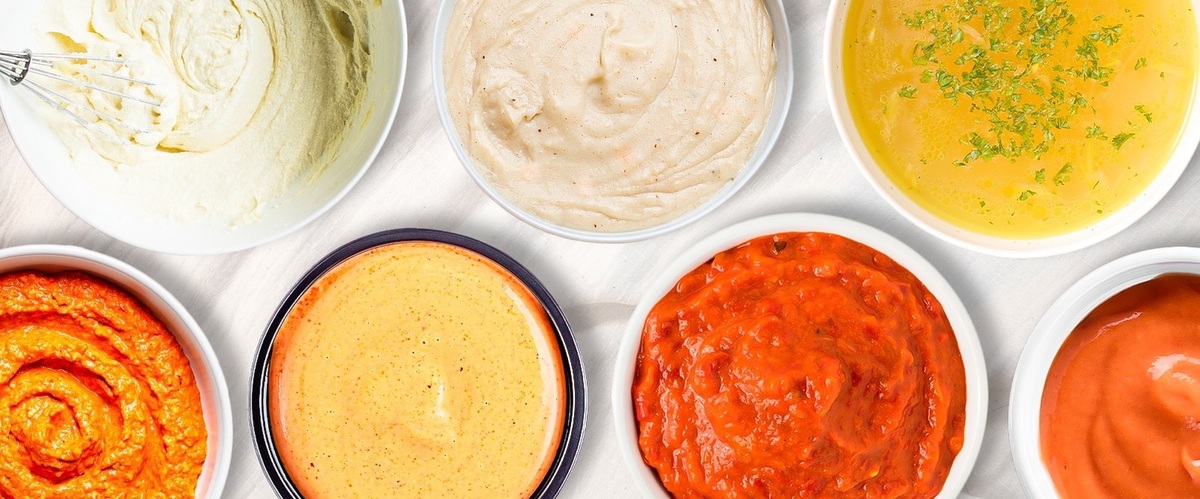
The Growing Variety of Sauces and Dips
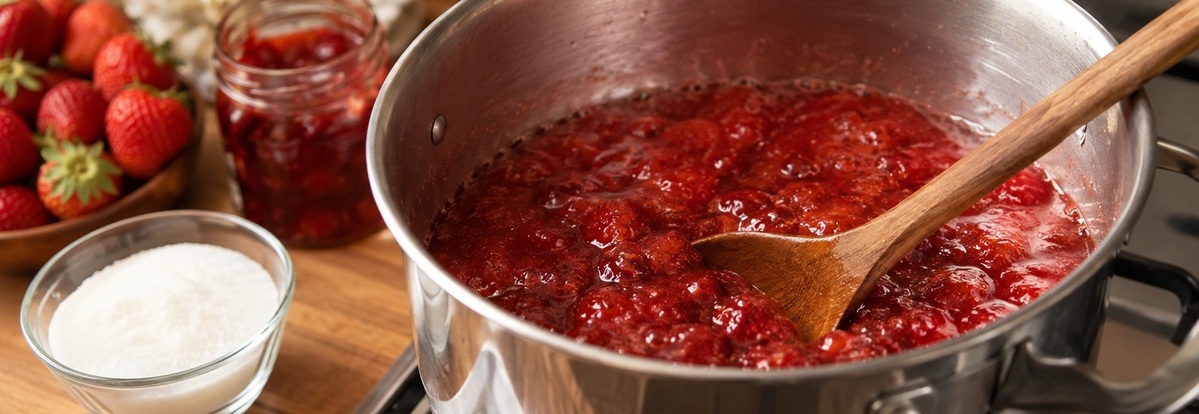
As sauce varieties expand, so do processing requirements. New flavours like hot honey, chilli crisp and gochujang drive recipe development and therefore require adaptable equipment.
New video demonstrating gravity mixing
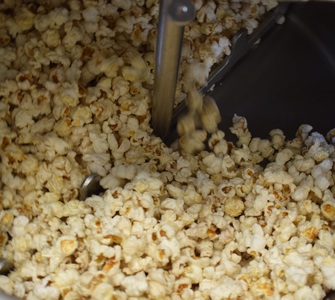
A practical demonstration of gravity-assisted mixing and heating of popcorn kernels, using our 30L Cook Mak Mix cooking kettle with tilting.
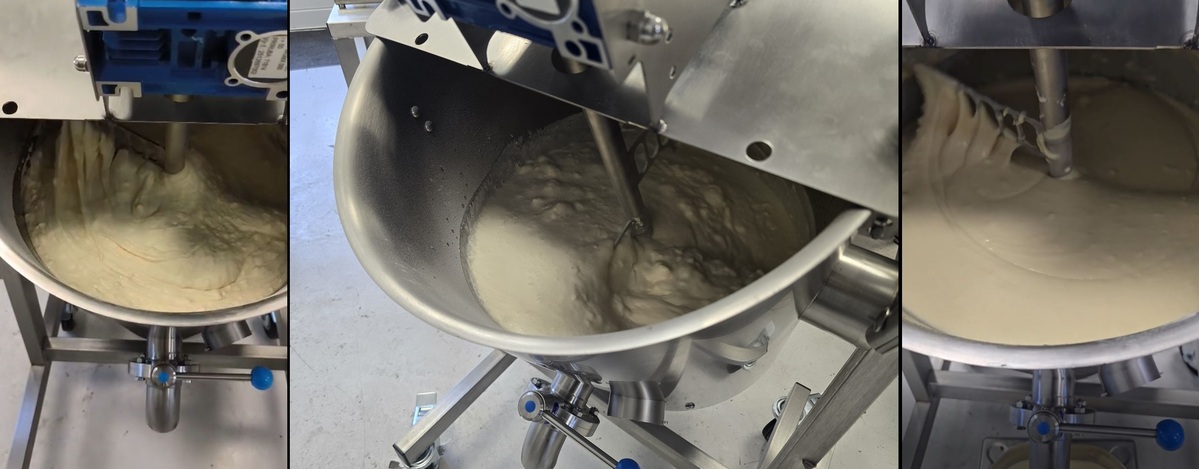
Liquid dough mixer with tilting for fast emptying
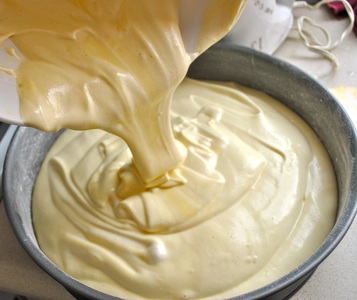
A tilting liquid dough mixer with gravity-assisted mixing is designed for preparing and discharging liquid and semi-liquid dough, including pancake batter, waffle batter, creams, sauces, and cake...
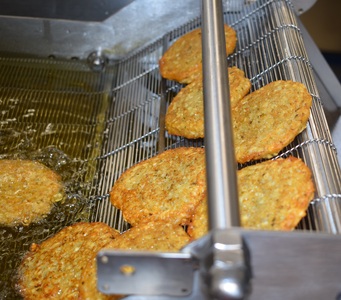
Which fryer conveyor to choose for your product?
Learn how your product’s behavior in hot oil determines the right conveyor system for your fryer.
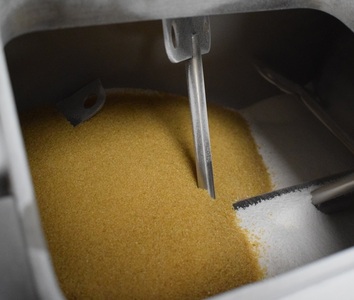
New 100L plough mixer – Sugar mixer test
We’ve just released a new demonstration video showing our plough mixer in operation, highlighting its performance in real production conditions.
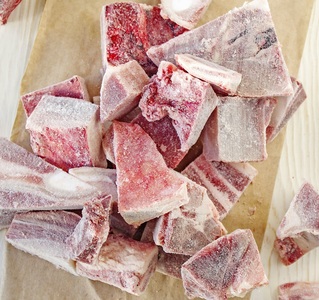
Frozen meat flaker for industrial processing
The FBF600 frozen block flaker enables direct processing of frozen meat and other raw materials into uniform pieces without prior defrosting.
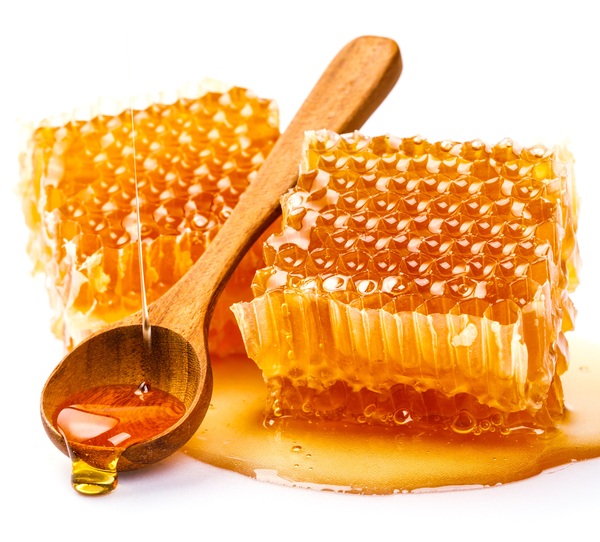
New honey homogenizers for large batches
A newly developed honey homogenizer models for 500 kg and 1000 kg batches, designed for uniform mixing, and efficient product discharge.
New 300l vacuum homogenizer ready for shipment
A 300 liter vacuum homogenizer for making sauces and emulsions, with integrated heating, cooling, and high-shear mixing.
View all news articles

LABELLING MACHINES

Industrial labelling machines for accurate and consistent product identification

Labelling machines automatically apply labels to packaged food products, bottles, jars and other containers. They ensure consistent label positioning and help manufacturers present essential product information, branding and traceability details.

Depending on the packaging format and production requirements, labelling can be performed automatically or with operator assistance. Machines can apply labels to different container surfaces and, when equipped with printing systems, add variable information such as batch numbers, production dates, barcodes and QR codes.

Types of labelling machines

  • Automatic labelling machines: Apply labels to products continuously with minimal operator intervention, making them suitable for production lines with regular output.
  • Semi-automatic labelling machines: Require an operator to position or feed each product and are suitable for smaller production volumes or specific packaging formats.
  • Print-and-apply systems: Print variable information directly onto labels before applying them to products or packaging.

Applications in food production

Labelling machines are used for bottles, jars, cans, containers and other packaged food products. They support the application of product names, ingredients, nutritional information, allergen declarations, storage instructions, expiry dates and traceability codes.

The appropriate machine depends on the packaging shape, label dimensions, required application accuracy and production speed. Equipment can also be integrated into filling, capping and packaging lines to maintain a continuous workflow.

Selecting a labelling machine

Important selection criteria include packaging type and dimensions, label material and format, required application position, production capacity and the need for variable-data printing. Compatibility with the existing packaging line and convenient format adjustment should also be considered.

FoodTechProcess offers labelling machines for food packaging applications, helping manufacturers achieve consistent label placement, product identification and efficient integration into packaging operations.
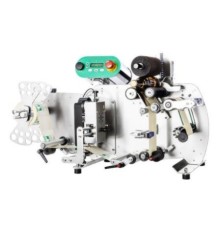
Semi-automatic labeler for the application of self-adhesive labels for round bottles.

  • Operation mode: Automatic
  • Voltage: 220-230V
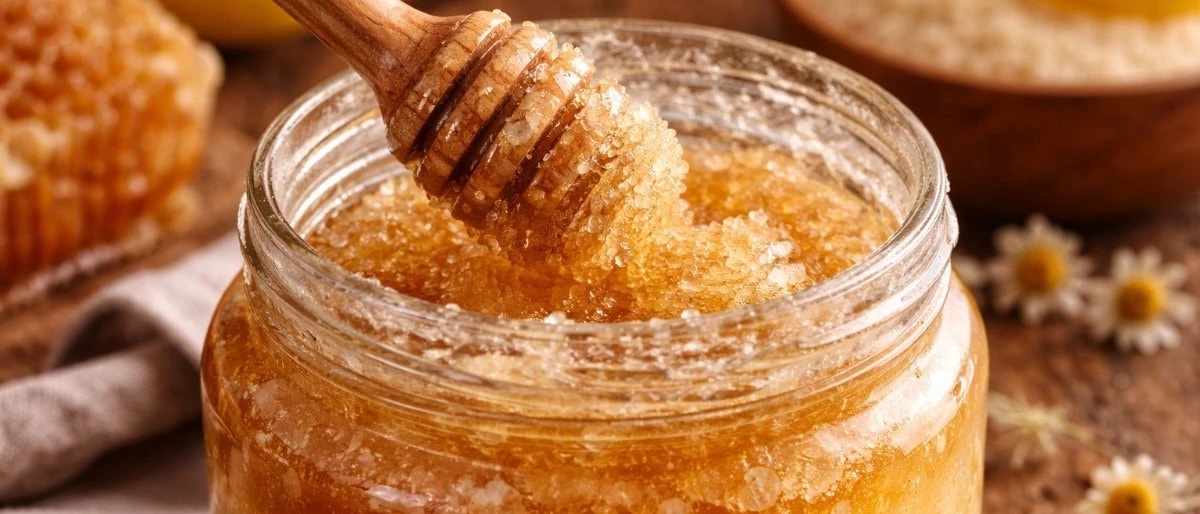
Controlled Honey Crystallization for Fast Creamed Honey Production
A controlled vacuum process for producing smooth, fine-crystal creamed honey in approximately 3–4 hours.
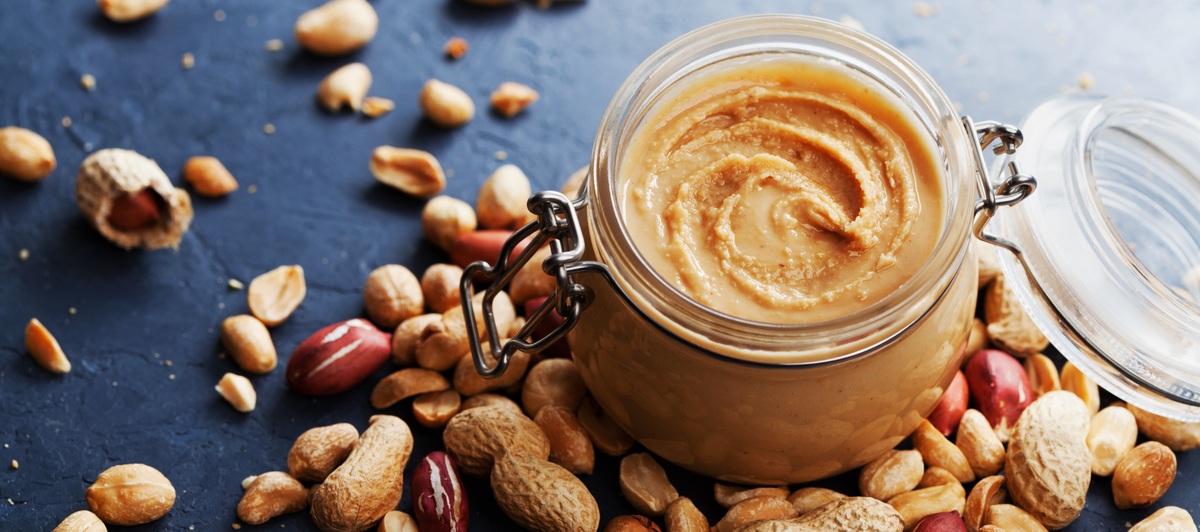
Nut butter grinding
How to select and configure grinding equipment for achieving consistent product texture, temperature, viscosity, and production capacity.
The Advantages of Gravity Mixing in CookMakMix Kettles
Gravity-assisted mixing in CookMakMix cooking kettles improves circulation, heat transfer, and product discharge, especially when processing viscous food products.
How to improve mixing efficiency with gravity
Gravity-assisted mixing uses tilting to combine mechanical agitation with natural product movement, improving circulation and mixing efficiency.
10 products you can make on our professional tilting cooking kettle
A professional tilting cooking kettle combines controlled heating, automatic mixing, tilting for product discharge and gravity-assisted mixing, and caster wheels for easy mobility.
View all blog posts