Commerciële voedselproductie vereist zowel consistentie als efficiëntie, maar voor restaurants of kleine en middelgrote producenten is ook een hoge mate van flexibiliteit vereist, met name in cateringkeukens en kleine, door families gerunde voedselproductiebedrijven. Een professionele kantelbare kookketel is ontworpen voor gecontroleerde thermische verwerking in combinatie met automatisch mengen en een kantelfunctie die zwaartekrachtgestuurd mengen en eenvoudige productafvoer mogelijk maakt. Deze combinatie stelt fabrikanten in staat een breed scala aan voedselproducten te produceren met aanzienlijk minder handarbeid en een verbeterde batchconsistentie.
De Cook Mak Mix kantelbare kookketel is ontwikkeld met deze aanpak in gedachten. Het kantelbare ontwerp maakt snelle en hygiënische productafvoer mogelijk. Meerdere vergrendelingsposities maken schuine werkhoeken mogelijk die zwaartekrachtgestuurd mengen ondersteunen, wat de productcirculatie in de ketel aanzienlijk kan verbeteren en in sommige gevallen de mengefficiëntie met wel 50% kan verhogen in vergelijking met conventioneel horizontaal mengen. De unit is verkrijgbaar met verschillende mengsysteemconfiguraties en kan, afhankelijk van het gekozen mengvermogen en het type hulpstuk, worden aangepast aan een breed scala aan viscositeiten en productievereisten.
Hieronder staan 10 veelvoorkomende productcategorieën die met een professionele kookketel kunnen worden geproduceerd.
1. Jam en fruitconserven
Kookketels worden veel gebruikt voor de verwerking van fruit vanwege hun vermogen om een gelijkmatige warmteverdeling te garanderen met een sandwichbodem en continu te mengen met zelfstellende roestvrijstalen schrapers, waardoor aanbranden of aanplakken tijdens de verdamping wordt geminimaliseerd.
Procesoverzicht:
Het fruitpulp wordt geleidelijk verwarmd terwijl het continu wordt geroerd totdat de gewenste consistentie en het gehalte aan oplosbare vaste stoffen zijn bereikt. De gecontroleerde omgeving helpt de textuur en natuurlijke fruiteigenschappen te behouden.
2. Sauzen en jus
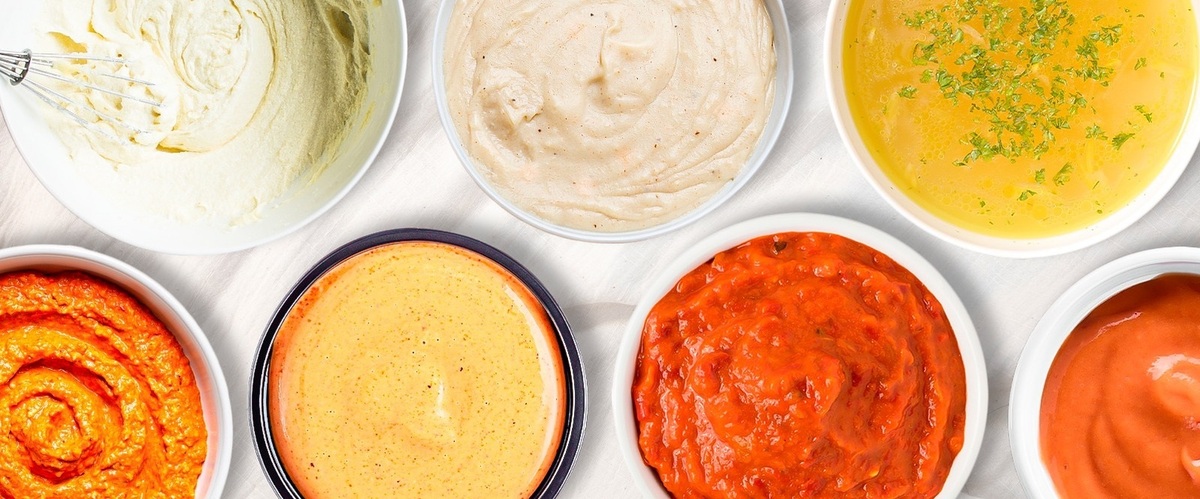
Een kookketel is ideaal voor het maken van diverse sauzen, waaronder sauzen op basis van room, groenten en bruine jus.
Procesoverzicht:
De ingrediënten worden gecombineerd en verwarmd onder continu roeren om een gelijkmatige verdikking te garanderen. Het mengsysteem zorgt voor een stabiele textuur gedurende de hele batch, waardoor handmatige tussenkomst minder nodig is.
3. Fruitvullingen voor bakproducten
Vullingen op basis van fruit voor taarten, gebak en cakes vereisen gecontroleerd koken om een stabiele en uniforme structuur te verkrijgen.
Procesoverzicht:
Fruitmengsels worden zachtjes gekookt tot de gewenste viscositeit, waardoor een gelijkmatige verdeling van de vaste stoffen en een consistente gelvorming wordt gegarandeerd, afhankelijk van de receptuur.
4. Banketbakkersroom en vla
Banketbakkersroom en vla vereisen nauwkeurige temperatuurregeling en constant roeren om klontervorming en scheiding van het product te voorkomen.
Procesoverzicht:
Het mengsel wordt geleidelijk verwarmd onder continu roeren tot het een gladde, dikke consistentie heeft bereikt, waardoor het geschikt is voor baktoepassingen.
5. Karamel en zoete zoetwaren
Producten op basis van karamel, zoals dulce de leche, vereisen gecontroleerd verwarmen en roeren om een goede karamelisatie te garanderen en plaatselijke oververhitting te voorkomen.
Procesoverzicht:
Mengsels op basis van suiker worden verwarmd onder constant roeren totdat een uniforme kleur en viscositeit zijn bereikt, geschikt voor sauzen, vullingen of desserttoppings.
6. Chocolade en dessertmengsels
Chocoladecrèmes, vullingen en dessertbereidingen profiteren van zacht maar continu roeren tijdens de thermische verwerking.
Procesoverzicht:
Het product wordt onder gecontroleerde temperatuur gehouden om een gladde textuur en uniforme consistentie te garanderen zonder gevoelige ingrediënten te oververhitten.
7. Béchamelsaus en andere roomsausjes
Witte sauzen en zuivelbereidingen worden vaak in kookketels gemaakt vanwege hun neiging tot indikken en vereisen constant roeren.
Procesoverzicht:
Mengsels op basis van melk worden verwarmd onder continu roeren, wat zorgt voor een gelijkmatige indikking en de vorming van klonten of een laagje op het oppervlak voorkomt.
8. Pap en ingedikte voedingsproducten
Producten zoals pap, rijstmengsels en andere halfvaste voedingsmiddelen vereisen continu roeren tijdens het verwarmen.
Procesoverzicht:
De ingrediënten worden onder gecontroleerde hitte gekookt en tegelijkertijd zachtjes geroerd om een uniforme, romige textuur te verkrijgen en aanbranden te minimaliseren.
9. Producten en sauzen op basis van tomaten
De kookketel is zeer geschikt voor tomatenpuree, ketchupachtige producten en geconcentreerde sauzen vanwege hun viscositeit en verwarmingsvereisten.
Procesoverzicht:
Tomatenmengsels worden verwarmd en geconcentreerd onder continu roeren, wat zorgt voor een stabiele textuur, een consistente smaakontwikkeling en gecontroleerde verdamping.
10. Vloeibare deegmengsels en beslag
Vloeibaar deeg zoals pannenkoek of wafelbeslag wordt geproduceerd onder voortdurend mengen om een uniforme verdeling van de ingrediënten te garanderen.
Procesoverzicht:
De ingrediënten worden met een paddle-mixer onder zacht roeren tot een homogeen mengsel gemengd, waardoor de consistentie van de textuur wordt gegarandeerd voordat ze verder worden verwerkt of gedoseerd.
Belangrijkste voordelen van de Cook Mak Mix kantelbare kookketel
Het Cook Mak Mix-systeem is ontworpen voor kleine tot middelgrote productieomgevingen en professionele keukens in de HoReCa-sector. De belangrijkste voordelen zijn onder meer:
- Gemonteerd op 4 zwenkwielen met rem voor gemakkelijke mobiliteit binnen de productieruimte
- Kantelbaar lossysteem waardoor het vat snel en hygiënisch geleegd kan worden
- Er kan een optionele uitlaatklep worden geïnstalleerd, zodat deze zowel via de rand als de bodemklep kan worden geleegd
- Door de zwaartekracht ondersteund mengeffect, waardoor de productcirculatie wordt verbeterd terwijl de mixer het opschept
- Meerdere mengsysteemopties, waardoor aanpassing aan verschillende productviscositeiten mogelijk is
- Uniforme warmteoverdracht met sandwichbodem en continu mengen
- Minder handarbeid dankzij geautomatiseerd mengen en kantelfunctie
- Roestvrij staal voor eenvoudige reiniging en onderhoud, ter ondersteuning van hygiënische voedselproductienormen
- Flexibele configuratiemogelijkheden, waardoor het geschikt is voor een breed scala aan recepten en toepassingen